Home › FX Trading School › Beginner
Going Long vs Going Short Explained Simply
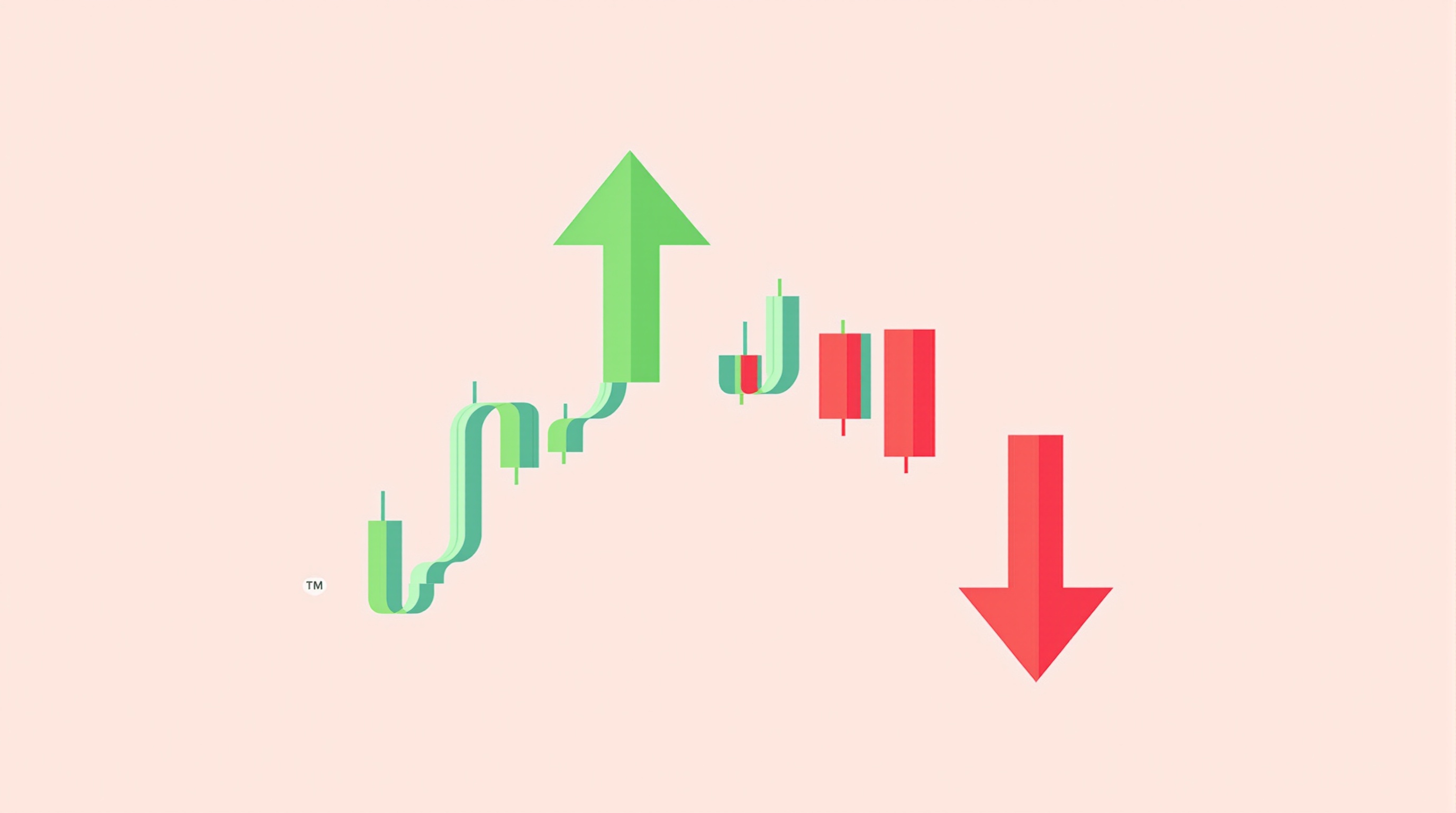
Going long vs going short is one of the first concepts every new forex trader needs to nail down, because it decides whether you profit when a price rises or when it falls. It sounds simple once it clicks, but plenty of beginners get tangled up early on — so let's go through it slowly, with real examples, before you risk any money.
This lesson assumes you already understand pips and position size from earlier in Module 1. If either of those feels shaky, it's worth going back to those lessons first at [/school/index.html](/school/index.html) — direction only matters once you know how to measure the move and size the trade.
What Going Long Means
Going long is simply buying a currency pair because you expect its price to rise. It's the direction most people find intuitive, because it mirrors how we think about buying shares, property, or anything else — you buy low, hope it goes up, and sell later at a higher price.
In forex terms, if you go long on GBP/USD:
- You're buying pounds and simultaneously selling dollars
- You profit if GBP strengthens against USD (the price goes up)
- You lose if GBP weakens against USD (the price goes down)
On a platform like IG's own platform or MetaTrader hosted on one of Pepperstone's servers, going long just means clicking "Buy" and choosing your position size. The mechanics are the same across brokers — what differs is the spread and any overnight charges, which you should always check before trading rather than assume.
A long position is closed by selling back the same amount you bought. The difference in price, in pips, multiplied by your position size, is your profit or loss.
What Going Short Means
Going short is the reverse: you sell a currency pair first, expecting the price to fall, then buy it back later at a lower price to close the position.
This is where beginners often stumble, because it feels backwards — how can you sell something before you've bought it? In forex, this isn't a problem. Unlike shares, where shorting usually means borrowing stock from someone else, forex trading (via CFDs or spread betting) lets you open a sell position directly, with no separate borrowing step.
If you go short on GBP/USD:
- You're selling pounds and simultaneously buying dollars
- You profit if GBP weakens against USD (the price goes down)
- You lose if GBP strengthens against USD (the price goes up)
It's exactly the mirror image of going long. Same pair, same platform, same order ticket — just the opposite direction, and opposite outcome for the same price move.
Long vs Short: A Side-by-Side Example
Here's a simple comparison using GBP/USD, assuming a hypothetical 50-pip move (not a real quote — always check live prices with your broker):
| | Going Long | Going Short | |---|---|---| | Action | Buy first | Sell first | | Price rises 50 pips | Profit | Loss | | Price falls 50 pips | Loss | Profit | | Closing action | Sell to close | Buy to close | | Costs to check | Spread, swap | Spread, swap |
Notice the mechanics are identical — only the direction of profit flips. Whether you're using Pepperstone, IG, or any other FCA-regulated broker, this relationship doesn't change. What does change between brokers is the spread you pay to open the trade and the swap rate charged (or credited) for holding it overnight, which brings us to costs.
Why Direction Affects Your Costs
Many beginners assume long and short trades cost exactly the same. The spread — the difference between buy and sell price — is usually symmetric, so that part's fine. But swap charges, the overnight interest adjustment for holding a position, often differ by direction.
This is because swaps are tied to the interest rate differential between the two currencies in the pair. Depending on which currency you're long or short, you might pay a small charge each night, or occasionally receive a small credit. This varies by broker and by pair, and it can change over time as interest rates move.
Don't guess at this. Before holding any position overnight, check the actual swap rates for your broker and pair at [/rates.html](/rates.html), and run a full cost comparison for your typical trade size at [/audit.html](/audit.html). A direction that looks cheap on the spread alone can be more expensive to hold long-term once swap is factored in.
Leverage Works the Same Both Ways
One thing that doesn't change between going long and going short is how leverage affects your risk. Leverage magnifies your position size relative to your deposit, and it does so identically regardless of direction.
That means:
- A short position with high leverage can lose money just as fast as a long one
- Your margin requirement is the same whether you're buying or selling the same size
- Stop-losses matter equally in both directions — the market can move against a short just as sharply as against a long
Some beginners assume shorting is "extra risky" because it feels less natural. It isn't inherently riskier — the risk comes from position size and leverage, not from which direction you've chosen. Treat every short with the same discipline you'd apply to a long: know your position size, set a stop-loss, and understand your maximum loss before you click the button.
Practising Long and Short Before Going Live
The best way to internalise going long vs going short is to practise both on a demo account before using real money. This costs nothing and lets you see, in real time, how the same price move affects a long and a short position in opposite ways.
A simple practice routine:
1. Open a demo account with an FCA-regulated broker such as Pepperstone or IG 2. Pick one pair — GBP/USD is a common starting point 3. Place a small long trade and watch how it behaves as price moves 4. Close it, then place a short trade on the same pair and compare 5. Note the spread charged on each, and check swap rates for both directions
Once you're comfortable reading a chart and knowing instinctively whether you'd go long or short based on your view, you're ready to think about entries, stop-losses, and take-profits — the next building blocks in Module 1.
Conclusion: Going Long vs Going Short in Practice
Going long vs going short really comes down to one question: do you expect the price to rise or fall? Buy first if you expect a rise, sell first if you expect a fall — the platform mechanics, margin requirements, and discipline needed are the same either way. What genuinely differs between brokers and directions are the spread and swap costs, so before you trade either direction with real money, compare the numbers properly using the cost tool at [/audit.html](/audit.html) and check FCA-regulated broker options at [/brokers/index.html](/brokers/index.html). Trading carries real risk of loss in both directions — treat long and short trades with equal care.
Key takeaways
- Going long means buying a currency pair expecting the price to rise; going short means selling first, expecting the price to fall
- In forex you can go short just as easily as going long — there's no extra 'borrowing' step like with shares
- Your profit or loss is the pip difference between entry and exit, multiplied by your position size
- Every trade, long or short, carries spread and possibly swap costs that eat into results — check these before you trade
- Leverage magnifies both directions equally, so a short position can lose money just as fast as a long one
- This lesson builds on understanding pips and position size — revisit those basics if either term is unfamiliar
Frequently asked questions
- Is going short riskier than going long?
- Not inherently, but it feels different because you're profiting from a fall rather than a rise, which some beginners find counter-intuitive. In forex, unlike shares, both directions are simple market orders with the same margin mechanics. The real risk in either direction comes from position size and leverage, not from the direction itself.
- Can I lose more than my deposit by going short?
- With a standard leveraged CFD or spread betting account, losses are generally limited by your margin and any stop-loss you set, but they can still exceed your intended risk if the market gaps or you don't use a stop. Check your chosen broker's specific account terms, and see /brokers/index.html for FCA-regulated options like Pepperstone and IG.
- Do I pay different costs for going long versus going short?
- The spread is usually the same either way, but overnight swap charges often differ by direction because they're linked to the interest rate differential between the two currencies. Run both directions through the cost tool at /audit.html to see the real numbers for your pair and broker.
- What's the difference between going short and 'shorting' shares?
- With shares you typically need to borrow the stock to sell it first, which isn't always available and can cost extra. In forex CFDs or spread betting, going short is just placing a sell order — there's no separate borrowing step, which is one reason forex is popular for two-way trading.
- How do I practise going long and short without risking real money?
- Open a demo account with an FCA-regulated broker such as Pepperstone or IG and place both buy and sell trades on the same pair to see how each responds to price moves. This is the safest way to build the habit before committing real capital.