Home › FX Trading School › Intermediate
Building a Forex Watchlist That Actually Works
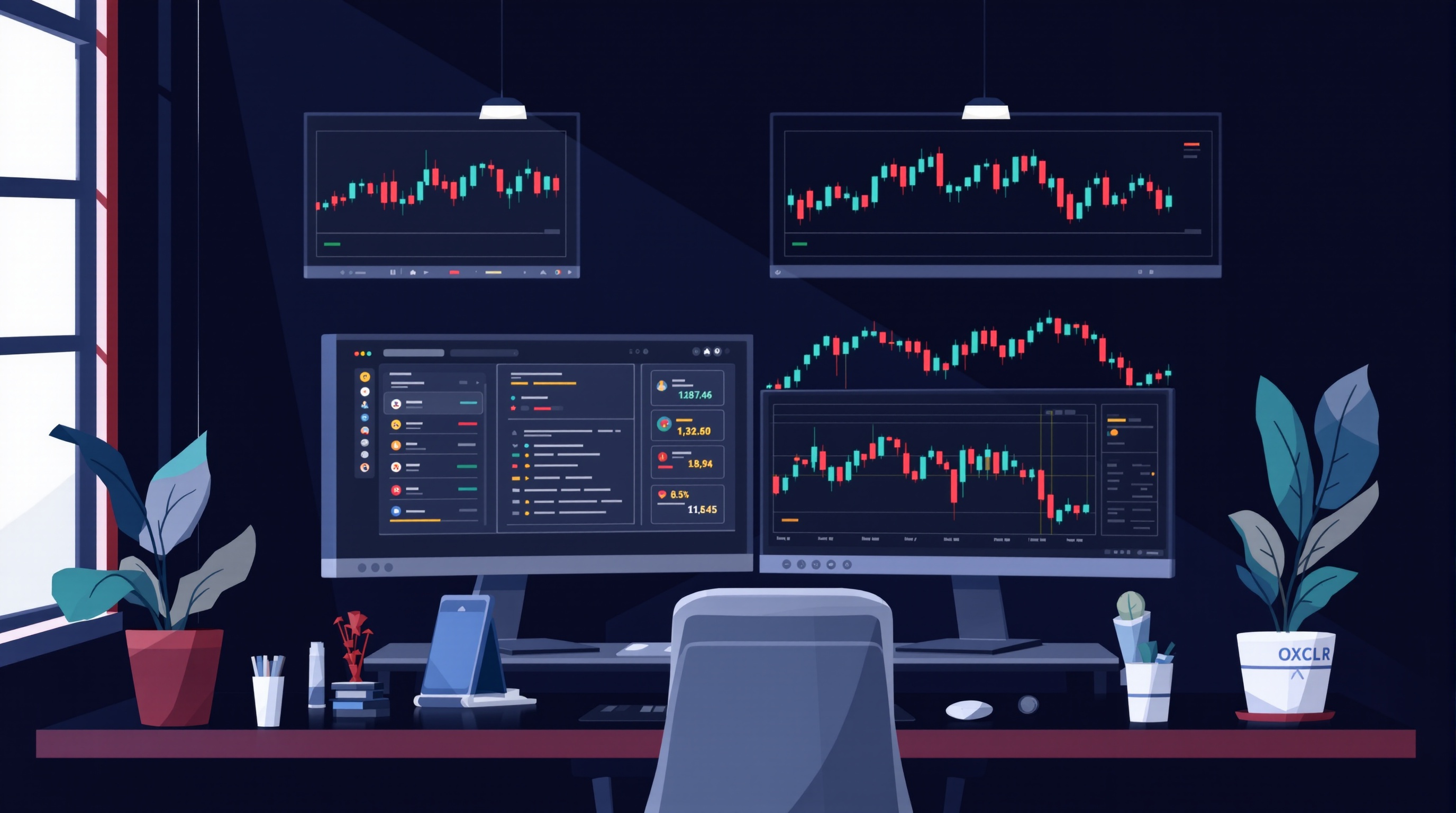
A forex watchlist is the shortlist of currency pairs you actually track each day, rather than the dozens available on your platform — and building one properly is what separates traders who react calmly to price action from those chasing every flashing chart. This lesson sits in Module 7 · Price Action, and it builds directly on the support/resistance and market structure concepts covered earlier in the module. A watchlist is where that structure work gets applied daily, not just studied.
Why a Watchlist Beats Scanning Everything
MetaTrader and IG's own platform both let you load 50+ instruments onto one screen. That's a trap for intermediate traders, not an advantage. Watching too many pairs at once causes three specific problems:
- Diluted attention — you spot fewer genuine setups because you're skimming, not reading structure properly.
- Overlapping correlation — EUR/USD, GBP/USD and EUR/GBP often move together; watching all three as "separate" opportunities can mean triple exposure to one theme.
- Decision fatigue — more charts means more borderline decisions, and borderline decisions are usually the ones that lose money.
A tight watchlist — typically 5 to 10 pairs — forces you to know each instrument's personality: its typical daily range, which sessions it's active in, and how it tends to behave around key levels. That familiarity is the real edge, not access to more markets. This is also where trading costs start to matter directly: a pair you trade often deserves scrutiny in the cost tool at /audit.html, because spread and commission drag compounds over dozens of trades in a way it never does on a pair you glance at twice a month.
What Belongs on Your Watchlist
Build the list deliberately, not by habit. Useful criteria:
1. Liquidity and session fit — match pairs to when you're actually at the screen. London-session traders lean toward EUR/USD, GBP/USD, EUR/GBP; those trading US afternoons might favour USD/JPY or USD/CAD. 2. Structure clarity — some pairs respect support/resistance and trendlines more cleanly than others. If a pair constantly whipsaws through your levels, it's costing you more in false signals than it's worth. 3. Correlation awareness — group pairs by driver (USD strength, risk sentiment, commodity links) so you can see when "three setups" is really one trade three times over. 4. Volatility profile — check average daily range so your stop and target expectations match the instrument, not a generic template. 5. Cost of trading it regularly — a pair with wider typical spreads or higher swap costs needs a stronger edge to justify frequent trading. Compare this across brokers on /brokers/index.html rather than assuming it's the same everywhere.
A sensible starting list for many intermediate price-action traders: 4-5 majors, 1-2 crosses tied to a market view, and maybe one pair you're studying but not yet trading.
Structuring the Watchlist Itself
A watchlist isn't just a list of tickers — it needs a consistent format so you can scan it in under two minutes each morning. A simple table works well:
| Pair | Key Level | Bias | Notes | |---|---|---|---| | EUR/USD | 1.0850 resistance | Neutral | Watching for rejection | | GBP/USD | 1.2700 support | Bullish above | BoE data this week | | USD/JPY | 150.00 | Bearish below | Correlated with yields |
Keep it in a spreadsheet, a notes app, or directly annotated on charts in MetaTrader or IG's platform — whatever you'll actually update daily. The format matters less than the discipline of touching it every session.
A Daily Watchlist Routine
Consistency turns a watchlist from a static list into an active tool. A practical routine:
- Morning review (10-15 min): update key levels, note any scheduled news events, mark bias as bullish, bearish or neutral — never forced.
- Session check-ins: glance at the list at natural breaks (London open, US open) rather than continuously monitoring.
- End-of-day update: note what happened at your marked levels — did price react, break cleanly, or ignore it entirely? This builds pattern recognition over weeks.
- Weekly prune: drop pairs that haven't set up in two or three weeks; add ones showing early structure worth tracking.
This routine is deliberately light. The goal is repeated, quality attention on a small set of instruments — not constant screen time.
Common Watchlist Mistakes
Even experienced-leaning traders fall into these:
- Never pruning it — a watchlist that only grows becomes the scanning problem all over again.
- Ignoring correlation — treating EUR/USD and GBP/USD as fully independent when USD is doing all the work.
- No defined levels — a pair on the list with no marked support/resistance isn't being watched, it's just being looked at.
- Copying someone else's list — a watchlist should reflect your session availability and strategy, not a signal service's picks. PipTax doesn't sell signals for exactly this reason: a list without your own reasoning behind it teaches you nothing.
- Forgetting costs — trading a pair often without checking how spread and commission structures compare between brokers like Pepperstone and IG on /audit.html means the watchlist optimises entries but ignores a real, recurring cost.
Bringing It Together
A well-built forex watchlist is a filter, not a shopping list — it exists to concentrate your attention on a manageable set of pairs where you understand the structure, the session behaviour, and the real cost of trading them. Keep it small, keep it current, and review it with the same discipline you'd apply to a trade plan. Combined with the support/resistance and structure reading from earlier in Module 7, a solid watchlist routine is one of the most practical habits an intermediate trader can build — and one of the few that costs nothing but consistency. Remember that trading remains risky regardless of preparation, and most retail accounts lose money, so treat the watchlist as a tool for better decisions, not a guarantee of them.
Key takeaways
- A forex watchlist should be small (roughly 5-10 pairs), not exhaustive — fewer instruments means sharper structure reads and fewer diluted decisions.
- Build the list around session fit, structure clarity, correlation, volatility, and the real cost of trading each pair regularly.
- Use a consistent format (spreadsheet or chart annotations) with key levels and bias noted, and review it daily plus a weekly prune.
- Correlated pairs like EUR/USD and GBP/USD can create hidden overlapping exposure if treated as separate setups.
- Check trading costs for frequently watched pairs using PipTax's cost tool, since drag compounds across repeated trades on the same instrument.
- A watchlist should reflect your own strategy and session availability, not a copied list — copying removes the learning value.
Frequently asked questions
- How many pairs should be on a beginner-to-intermediate forex watchlist?
- Most intermediate traders do best with 5 to 10 pairs. Enough to have options across sessions, but few enough that you genuinely know each instrument's behaviour and current structure.
- Should I include exotic pairs on my watchlist?
- Only if you understand their typically wider spreads and lower liquidity. Check costs on /audit.html first — exotics can be far more expensive to trade regularly than majors on brokers like Pepperstone or IG.
- How often should I update my watchlist?
- Review key levels and bias daily, ideally each morning, and do a fuller prune weekly to drop stale pairs and add ones showing new structure.
- Is a watchlist the same as a trading signal service?
- No. A watchlist is a personal shortlist you build and reason through yourself; a signal service hands you trade calls. PipTax doesn't sell signals — the point of this lesson is building your own judgement.
- Does broker choice affect how I build my watchlist?
- It affects the cost side. The pairs themselves are chosen on structure and session fit, but once you know which pairs you'll trade often, compare spread and commission structures across brokers on /brokers/index.html before committing.